
Welcome to the grooming guide
I believe professional grooming isn't a luxury option, it's a vital part of responsible pet ownership. That's why I've created this Grooming Guide - Your go-to guide for understanding your pets daily care needs and why regular grooming is essential for their health, comfort and quality of life.
Our goal is to educate and support you with practical, critical information that helps your pet thrive. Not just look good, but feel good too.
Why professional grooming matters
Grooming isn't optional it's a necessity. Regular visits to a qualified groomer helps prevent serious health issues, supports your pets comfort and makes daily at-home care easier for you. Whether your dog has long, curly, short, or double--caoted fur, every coat type requires specific grooming care. Professional grooming plays a key role in keeping that coat and skin healthy as well as finding any issues pet owners aren't aware of.
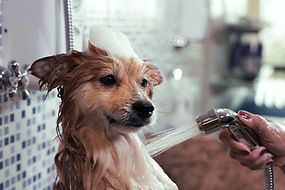
How often should you pet be groomed?
Each coat type has different needs
-
Short coats - (e.g, Staffies, Pugs,Frenchies) Every 4 - 6 weeks for a bath, deshed, nail trim and ear clean. If their lifestyle is more rough and tumble 2 - 4 weekly to keep their coat and skin clean.
-
Double coats - (e.g, Border Collie, Golden Retriever, Husky) every 6 weeks for deshedding, brush outs and seasonal maintenance to help the dog regulate temperature and healthy skin.
-
Wool and curly coats - (e.g Poodle, Doodles, Bichon) Every 4 weeks for mini grooms every 6-8 weeks for full grooms, home maintenance in between is essential especially if the coat is long.
-
Silky and drop coat dogs - (e.g Shih Tau, Maltese) Every 4 weeks for mini grooms every 6 weeks for full grooms, maintenance in between at home is essential.

How often should you brush your pet at home?
Brushing at home is a must for all coat types
-
Short coats - (e.g, Staffies, Pugs,Frenchies) Once a week to removes dead hair and dirt
-
Double coats - (e.g, Border Collie, Golden Retriever, Husky) 2 - 3 times a week
-
Wool and curly coats - Daily
-
Silky and drop coat dogs - (e.g Shih Tau, Maltese) Daily
Regular Brushing
-
Prevents painful matting
-
Reduces shedding
-
Keeps skin healthy
-
Helps you spot issues early like lumps or parasites
-
Bounding between you and your pet.

Why flea treatments are important year-round
Fleas don't die off in the winter, they thrive in warm environments like your home in winter where they continue breeding.
-
Causes itching, sores and allergies
-
Can spread tapeworm
-
Bite humans
-
They are incredibly hard to get rid of once they infest your home
How to avoid a flea infestation
-
Treat every pet in the home, even if they don't go outside
-
Use vet-approved high quality treatments, supermarket treatments often don't work.
-
Don't skip in winter - Fleas thrive indoors all year in heated homes
-
Wash pet bedding regurally
-
Empty vacuum bags as eggs can hatch in there.
-
Check your pets for flea dirt regularly
-
Early detection prevents large infestations
Tip - Flea treatments won't work right before and after a bath. Wait 3 days before or after bathing for best results. If one pet has fleas, assume all your pets do and so does your home, It takes 3 months the to break the flea life cycle so stay consistent with treatments.

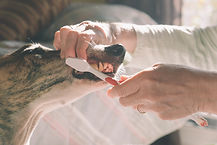
Why dental care is important , what can you do to care for your pets teeth.
Dental Care is one of the most overlooked areas here's what you should be doing:
-
Brush your pets teeth 2-3 times per week if not daily
-
Use pet-safe toothpaste and water safe additives Never use human toothpaste
-
Pair brushing with dental crews or water additives
Poor dental hygiene leads to:
-
Painful gum disease
-
Bad breath caused by bacteria
-
Tooth narcosis
-
Infections that can spread to organs like heart and kidneys
The amount of pets coming in with avoidable teeth issue's is a daily ourance. 80% of the time the owner isn't aware which can be dangerous to your pets health and life so lets shed light on these common problems!
Did you know - Regular brushing helps avoid costly vet bills and ensures your pets long-term health.

Why short-coated dogs still need professional grooming
Short hair may be lower maintenance but they still need regular grooming.
-
They still shed and need help removing dead coat with brushing
-
They get dirty, itchy or oily
-
Nail trimming, ear cleaning, and bathing regularly is needed.
Professional grooming for this coat type include
-
Deep cleaning of skin and coat
-
Thorough deshedding
-
Nail trimming
-
Ear cleaning
This helps reduce shedding in your home and keeps your dog comfortable and smelling fresh. 1-3 weekly


When to start grooming your puppy and why early exposure matters
Start introducing your puppy to professional grooming after their vaccinations
One of the most harmful grooming myths we hear is - "Don't get your puppy groomed till they're are year old-their coat will change if you do"
Lets break that down!
Yes, the coat does change but not because of grooming as a pup.
All puppies go through a natural coat transition between 6months - 3 years, depending on their breed. This change from soft puppy coat to their adult coat is completely biological and not caused by grooming.
The only coats types that are affected by clipping or incorrect growing methods are:
-
Double coated breeds
-
Hand stripped coats
For the majority of dogs, regular grooming early on is absolutely essential. You don't need to clip on the first grooms, a bath and brush is perfect, baby steps
Why does early grooming exposure matter?
Waiting till your puppy is a year old with NO grooming experience can actually set them up for fear, stress and poor relationship with grooming.
By 12 months old:
-
They may already have developed mating from lack of brushing and maintenace
-
Their first ever groom will likely involve a full shave down which can be uncomfortable or even painful due of matting which isn't a nice first experience.
-
This makes grooming feel scary and negative, creating a lifelong anxiety around it
Start early, start small - Grooming without clipping
Early grooms don't need to involve cutting or styling if you don't want them to, we can focus soon introducing your puppy to the environment, sounds and sensations
-
Bath and fluff dry
-
Nail trim
-
Face, feet and hygiene trim
-
Gentle brushing and combing
-
Ear cleaning
-
Table training and positive handling
This creates confident, well-adjusted dogs who enjoy grooming as apart of their regular life.


Should I shave off my double coat dog in summer?
Summer de-shedding myth-Bruster!
"Should I shave my double-coated dog to keep them cool?"
No, and here's why
Shaving a double coat does not cool your dog down.
Double coated dogs, have two layers of fur.
-
A soft undercoat that insulates and regulates temperature
-
A coarse topcoat that insulates and protects from the sun, heat, insects and moisture
Shaving removes both layers - destroying the coats natural insulation system.
Shaving can actually make them hotter!
When you shave a double coat:
-
There's no protection from the sun, increasing the risk of sunburn and overheating
-
The coat can grow back patchy, rough or permanently damaged.
-
Dogs can become more susceptible to heat exhaustion
Think of it like tearing out your celling insulation in summer, it does the opposite of what you want.
What to do instead: Professional de-shedding
A proper de-shedding groom removes the loose, dead undercoat without damaging the top layer. This allows:
-
Better airflow throught the coat
-
A lighter cooler feel for your dog
-
Skin to breath naturally
-
Less fur around your house
-
Lets the coat insulate properly so thee dog is cool in summer
Quick tips for summer comfort:
-
Provide shade and fresh water at all times
-
Avoid walks during the hottest part of the day
-
Use a cooling mat or fan indoors
-
Maintain regural deshed grooming every 6-8 weeks
Double coats are designed to self-regulate.
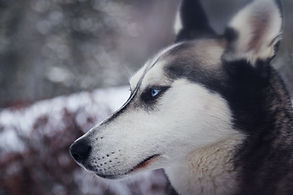
Why deshedding dogs need grooming in winter
A common misconception is that dogs dont need grooming in winter because they need their coat to stay warm. lets start with winter grooming for double coat dogs.
Here's the truth:
Winter coats don't mean less shedding
Double-coated dogs naturally shed year round and winter is no exception in fact during winter:
-
Indoor heating confuses your dogs coat cycle, causing constant shedding.
-
Coats often become impacted with loose hair, causing matting, skin issues, and poor insulation which stops the purpose of having a coat for winter.
-
Wet walks, muddy paws, and damp undercoat creates the perfect environment for fungus, bacteria, and odor.
So what is de-shedding treatment?:
De-shedding grooms removes dead undercoat and trapped fur using the right tools, techniques and product's without shaving the coat, it:
-
Keeps the coat aerated and functional
-
Prevents overheating indoors and damp matting outdoors
-
Reduces fur around the house
-
Helps your dogs skin breath and stay healthy
Skipping winter grooms can cause, not just in double coated dogs:
-
Severe matting, especially behind the ears, armpits (friction areas)
-
Dry,itchy skin due to lack of airflow and dead coat build-up
-
Poor thermal regulation, a packed coat traps cold moisture against the skin instead of insulating.
A well groomed coat = better insulation
Think of your dogs undercoat like insulation in a house, if its packed full of debris and loose fluff, it wont work properly. Regular grooming helps the coat do its job, keeping your pet both warm and dry during the colder months.


Winter grooming for other coat types
Letting your dog's coat grow longer without regular grooming creates the perfect environment for matting, skin problems and discomfort
Longer coat = more maintenance:
Long hair:
-
Trapes moisture, mud and debris
-
Mats quickly, especially in high friction areas such as, behind the ears, underarms, belly, and tail
-
Causes painful pulling on the skin when its matted
-
Loses its insulation properties if its dirty, compacted or tangled.
A matted coat isn't warm, its wet, heavy, and painful
Why winter can be worse for matting.
During winter:
-
Dogs go in and out of warm homes and cold outdoors
-
Wet weather causes dampness in coats, leading to quicker matting
-
Coats take longer to dry and often dont get brushed when they should
-
Jumper, coats, harnesses rub, causing friction which makes mats
Grooming is a year-round responsibility, no matter the season grooming is about:
-
Maintaining skin health
-
Keeping the coat functional
-
Preventing matting and discomfort
-
Reducing coat related vet visits
Grooming is not just about a fancy haircut, it includes:
-
Brushing out the coat
-
nail trimming
-
Bath and dry
-
Trimming hygiene areas
-
Checking for, skin, ear, lumps, dental issues and coat problems.
Want to keep your dog warm?
-
Maintain a medium-length coat that is clean, brushed, and free of matts
-
Use a fleece or waterproof dog coat when needed
-
Keep feet and hygiene areas tidy and dry to avoid irritation
Regular grooming = happy, warm and healthy dogs and cats. Skipping during winter does more harm than good, stay on your pets schedule and talk to us about keeping a winter trim that's practical, comfortable and mat-free


Why matted coats are dangerous, painful and not just messy looking
We often here:
"The last groomer shaved her off"
"Why do I have to pay extra for a ugly haircut?"
Lets clear up the confusion and explain why we always put your pets welfare first.
Matted coats aren't just messy, they are harmful and dangerous.
When a dogs coat becomes matted, hair twists tightly into clumps that pull on the skin and traps moisture and debris. This leads to:
-
Painful tension on the skin, like constant hair pulling
-
Restricted movement, especially around legs, armpits and joints
-
Sores, wounds and skin infections under the mats
-
Fungal and bacterial growth
-
Parasites hiding in dense mats
-
Hematomas (Blood-filled swellings from mats cutting off circulation normally precent after mating is removed)
-
Increased risk of ear and eye infections if there is mating in those areas
"Why can't you brush it out?"
Sometimes we can, but not always. Dematting is not just brushing. Its time-consuming, skilled, and can be painful, stressful for your dog or cat, If a dog is elderly anxious or matted close to the skin, de-mating can cause trauma and do more harm than good.
In these cases, the kindest thing we can do is: Shave the coat off and let the skin breathe and heal, it might not look "pretty" but your dog will feel relief, and we can start fresh with a coat care plan!
So why do we charge more for matted coats?
Even if we're "just shaving" here's what that involves
-
More time, mats blunt blades, require extra prep and slow everything down
-
More risk, cuts, nicks, and skin irritation are more likely to happen on a matted coat
-
Specialist handling for a stressed or uncomfortable pet
-
Extra tools, cleaning and blade maintenance
A matted groom often takes 2-3x longer than a regular groom, even if the end result is a short clip.
Sometimes health issues happen after the clip off.
If your dog has been matted for a long time, they may show skin irritation after the coat is removed, this is normal. They may scratch or lick areas that were hidden under mats. you may see
-
Hot spots
-
Redness or bald patches
-
Sores or scabs
-
Unsual behaviour, over cleaning or sensitivity
We will always inform you of what we fine and how to care for your pet post-groom.
How to prevent matting:
Grooming isn't optional - it's a health necessity, not a luxury option.
-
Brush at home, regularly (ask us how to line brush!)
-
Get professional grooms every 4-8 weeks depending on your coat type
-
Book maintenance appointments (mini grooms or brush-outs)
-
Avoid bathing a matted coat, this sets the mats like concrete
Grooming is essential all year round
Your dogs coat doesn't just affect how they look, it affects how they feel. Our job as a groomer is not just to make them pretty. Its to keep them healthy, comfortable and cared for.
If your pet needs a fresh start, we'll support you every step of the way, and help you maintain a coat that both you and your dog can enjoy.


Why once-a-year shave offs are a problem and not a grooming plan
We often here:
"I just get my dog shaved once a year in summer"
"They don't really need grooming unless they are long"
But here's the truth: This approach is dangerous, uncomfortable and unhealthy for your pet, and ultimately more expensive and traumatic than regular care.
So what's wrong with once a year grooming?
If your dog has long, curly, wooly or double coated for, leaving the coat for months means one thing, painful matted coat.
-
Pulls on the skin constantly, causing pain
-
Traps dirt, moisture, and feces
-
Reduce your dogs movement and comfort
By the time we see them, the coat is usually beyond saving and must be shaved off close to the skin.
Traumatic grooming experience
-
They're not familiar with grooming sounds, tools or handling
-
They associate grooming with stress, pain and restraint
-
They often need longer grooms due to coat condition
This lead to overwhelmed, fearful pets that hate grooming, making future visits even harder.
Risky Shave-offs
Shaving a dirty matted coat once a year increases this risk of:
-
Skin irritation or clipper rash
-
Accidental nicks on tight or wrinkled skin
-
Hot spots and fungal infections under compacted mats
-
Coat damage, especially in double coats where fur may regrow patchy, coarse or not at all.
What does "Low maintenance" really mean?
Many people want a "low maintenance dog" but low-maintenance doesn't mean no maintenance
-
Short/smooth coat dogs - Need regular baths, deshedding and nail trims
-
Long hair dogs need frequent brushing, hygiene trims and grooms
-
Curly-coated dogs need grooming 4-6 weekly
Even if you're not styling your dog, they still need professional coat and skin care.
The better plan!
Instead of once a year shave off's we recommend
-
A full groom every 4-8 weeks based on coast type
-
Mini grooms or tidy between
-
Brushing at home, especially friction areas
-
Regular nail trimming and ear cleaning
This keeps the coat healthy, prevents mating and ensures your dog sees grooming as a normal positive routine.
Grooming is part of responsible pet care
You wouldn't shower or brush your hair once a year. The same applies to your dogs coat and skin and nails, we're here to keep your pet healthy, happy and comfortable all year round not just for a summer haircut.

Everything about nail trimming
Even if your dog isn't due for a haircut or a bath, nail trims are essential every 3-4 weeks depending on their activity
Here's why it matters, and how we can help.
Why trim nails every 3-4 weeks?
Long nails don't just look unkempt they cause real problems
-
Pain and posture problems: Long nails push into the ground when your dog walks causing pressure on joints, misalignment of the spine and change in gait.
-
Splaying and injuries: overgrown nails can crack, split or tear leading to bleeding, infection or even a vet removal of the nail.
-
Reduced mobitily, dogs may avoid walks ir certain surfaces due to discomfort
-
Nail curling and embedding: Dew claws and rear nails often curl inwards, and in extreme cases embed into the paw pad.
Walk-in Nail Trim Service:
We offer walk-in trimming - No full groom or booking required, Just pop in and we'll safely trim your dogs nails in minutes.
-
No appointment needed
-
Stress-minimised handling
-
$25
-
Quick, Professional
What you can do at home.
If you're between appointments or want to keep your dogs nails shorter:
-
Check your dog's nails weekly - if they touch the ground or click on floors, they're too long.
-
Get your dog use to paw handling - Reward calm behaviour when you touch their feet.
-
Use a nail file or grinder between trims to smooth rough edges, also good if you're a bit nervous to cut the quick.
Not confident clipping at home? that's what we're here for, we'd rather you come in than struggle at home.
What if my dog hates nail trims?
You're not alone! Many dogs dislike having their paws touched or nails clipped. Here are some things that can help.
-
Gentle desensitisation with positive handling
-
Two-person handling if needed, with calm restraint and reassurance
-
Gradual introduction for puppies or anxious pets
-
No force, no fear, we will stop if its too stressful and create a plan
What are quicks?
Inside every nail is the quick, a blood vessel and nerve. The long you leave the nails untrimmed, the longer the quick grows, making it harder to get nails short without causing pain.
Frequent trimming encourages the quick to recede, helping you achieve short, healthy nails over time.
Healthy nails = happy paws
Nail trimming isn't just cosmetic, its essential for your dogs comfort, posture, and wellbeing.


How to brush effectively
How to line brush your dog (properly, not just on top)
Brushing the top of your dogs coat won't stop knots and matting underneath. Line brushing is the correct way to fully detangle the coat from root to tip
Here's how to do it right!
Step by step: Line brushing
-
Start with a clean, dry caot
Always brush your dog when the coat is clean and completely dry. Brushing a dirty coat can cause breakages.
2. Part the fur to the skin
Using your hand, create a clear line in the coat so you can see the skin. this allows you to brush in the small, manageable section, layer by layer.
3. Brush one line at a time
Start at the bottom (usually near the feet or belly) and work your way up.
-
Gently brush from the roots out to the end.
-
Once that layer is smooth lift the next section of hair and repeat.
-
Think of it like brushing up row by row "drawing" horizontal lines up the dog.
4. Use a slicker brush first
A soft or medium slicker brush works best to break up tangles and remove dead coat.
5. Follow with a fine-tooth comb
After brushing, use a comb to check your work, if the comb snags, there's still a tangle. Go back in with your slicker brush, then comb again to confirm it's fully detangled.
Hint - Use a detangling spray to help the brush and comb get through tangles easier.
6. Focus on high-friction areas. pay special attention to
-
Behind ears
-
Armpits
-
Around the collar area
-
Groin and iner thighs
-
Base of tail
How often should you line brush?
-
Curly/wool coat (Poodles, Oodles) Every 1-2 days
-
Silky/Drop coats (York's, Maltese) Every 2-3 days
-
Double coats (Spitz breeds, Collies) Once or twice a week
-
Short/smooth coats (Staffies, Frenchies) Once a week
Why it matters
Brushing the right way:
-
Prevents painful matting
-
Helps spot skin issues, fleas or lumps
-
Reduces shedding and allergies
-
Makes grooming easier and more pleasant
-
Saves money, No shave off or extra de-matting fees.


